QED
QED


 English
 QED
English
QED
English
 All Blogs
Verification System for Secure Identity and Product Authentication
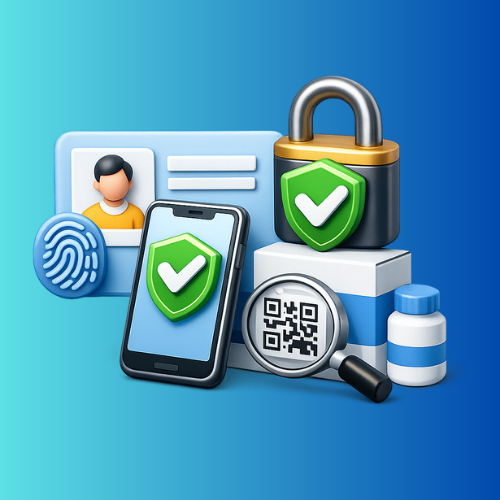
In today's digital era, businesses face increasing challenges related to fraud, counterfeit products, identity theft, and data security. Customers expect secure services, authentic products, and seamless digital experiences, making verification an essential part of every business operation. A Verification System is a technology-driven solution that helps organizations verify the authenticity of identities, products, documents, and transactions before granting access or approval. By implementing an advanced verification system, businesses can reduce risks, improve operational efficiency, and build long-term customer trust.
Modern verification systems leverage advanced technologies such as Artificial Intelligence (AI), Machine Learning (ML), blockchain, biometric authentication, QR codes, NFC, and cloud computing to deliver accurate and real-time verification. Instead of relying on manual processes, organizations can automate authentication, minimize human errors, and strengthen security across multiple business functions. Whether it's onboarding a new customer, verifying official documents, or confirming product authenticity, a reliable verification system ensures that every interaction is secure and trustworthy.
A verification system follows a structured process to validate the authenticity of information. The process begins by collecting relevant data such as identity documents, QR codes, serial numbers, biometric information, or digital certificates. This information is then compared with secure databases using intelligent algorithms and verification technologies. Once the data is authenticated, the system instantly provides a verification result, allowing businesses to make quick and informed decisions.
One of the biggest advantages of implementing a verification system is fraud prevention. Businesses can detect fake identities, counterfeit products, and suspicious transactions before they cause financial or reputational damage. Automated verification also improves operational efficiency by reducing manual verification efforts and accelerating customer onboarding. Organizations benefit from faster processing times, improved accuracy, and lower operational costs.
A verification system also enhances customer confidence. When customers know that a business prioritizes security and authenticity, they are more likely to trust the brand and continue using its products or services. Additionally, verification systems help organizations comply with regulatory requirements such as Know Your Customer (KYC), Anti-Money Laundering (AML), and data privacy standards, reducing compliance risks and ensuring smooth business operations.
Verification systems have become an integral part of numerous industries due to their ability to provide secure and efficient authentication. In the banking and financial sector, verification systems are used for customer identity verification, secure account opening, online banking authentication, and fraud prevention. Financial institutions rely on these systems to meet KYC and AML compliance while protecting customers from identity theft.
Healthcare organizations use verification systems to authenticate patient identities, verify healthcare professionals, and protect sensitive medical records. Educational institutions verify student credentials, academic certificates, and degree authenticity to prevent document fraud and maintain institutional credibility.
Manufacturing companies utilize product verification systems to combat counterfeit products. Every product is assigned a unique QR code, barcode, NFC tag, or serial number that customers can scan using their smartphones to confirm authenticity. This protects consumers from fake products while helping brands maintain their reputation and customer loyalty.
E-commerce businesses depend on verification systems to validate customer identities, verify sellers, secure online payments, and reduce fraudulent transactions. Government agencies also implement verification systems for passport verification, driving license authentication, citizen identity validation, and secure access to digital public services. Regardless of the industry, verification systems provide a secure framework that protects organizations while improving customer experience.
As digital transformation continues to reshape industries, businesses require stronger security measures to protect their operations and customers. A modern Verification System not only reduces fraud but also improves transparency, enhances customer trust, and supports long-term business growth. By automating identity verification, product authentication, document validation, and transaction security, organizations can significantly improve efficiency while minimizing risks.
Today's verification systems are designed to integrate seamlessly with enterprise software, mobile applications, CRM platforms, ERP systems, and cloud infrastructure, making them highly scalable for businesses of all sizes. Features such as real-time verification, AI-powered fraud detection, biometric authentication, encrypted databases, and blockchain technology provide businesses with comprehensive security and greater control over sensitive information.
Investing in a reliable verification system is no longer optional in an increasingly digital world. It enables businesses to protect their brand reputation, improve regulatory compliance, reduce operational costs, and create a secure environment for customers, employees, and business partners. Organizations that implement advanced verification solutions today will be better prepared to handle evolving cybersecurity challenges and maintain a competitive advantage in the future.
Start with a free trial and redefine trust with the digital product passport